Today’s Alpha generation is growing up in a world surrounded by technology from the very moment they are born. Tablets, computer games, mobile applications, and constant digital stimuli have unfortunately become a natural part of children’s daily lives. Although technology is an indispensable tool of our era, uncontrolled and excessive use can negatively affect many areas, from attention span to social skills, and from imagination to productivity.
At this point, the need for alternative experiences that can draw children away from screen dependency and introduce them to productive and creative environments is increasing day by day. SETAP (Sustainable Technological Adaptation Project) stands out as a strong model of social responsibility and education that responds to this need. Rather than rejecting technology altogether, the project aims to help children build a healthy relationship with technology and create balance in their lives. It supports children’s holistic development through activities based on art, nature, and social interaction.
In line with this vision, the “We Are in the Forest with Rousseau” workshop brought children back together with art, nature, and imagination by distancing them from screens. The workshop was conducted under the guidance of Dr. Filiz Piyale Onat, a faculty member from Yeditepe University’s Department of Plastic Arts and Painting, with contributions from students and academics of the E-Commerce Department at Yeditepe University.
From Digital Stimuli to Creative Production
One of the biggest challenges faced by the Alpha generation is constant exposure to fast-consumption digital content. Games, short videos, and mobile applications accustom children to instant reward mechanisms, making it harder for them to engage in processes that require long-term focus and patience.
Art workshops offer the exact opposite. While creating art, children think, plan, make decisions, make mistakes, and try again. In this way, they transform from passive consumers into active creators.
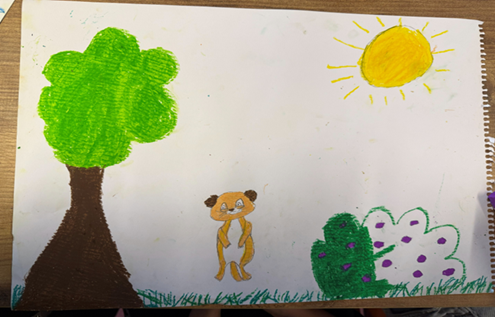
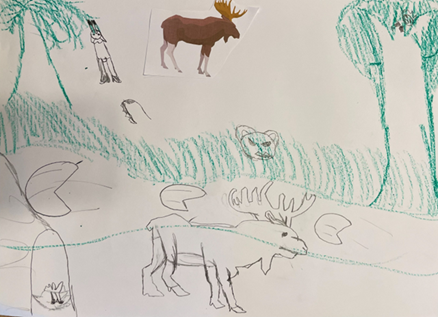
In the “We Are in the Forest with Rousseau” workshop, children first learned about the painter, his life, and his works. Then, using pastel colors, they created their own imaginary forests. During this process, they moved away from the fast pace of the digital world and turned inward to their own inner worlds. Every line, color, and detail became a concrete reflection of their imagination.
Such creative production processes are known to be highly effective in transforming children’s technology-dependent leisure habits. As children discover enjoyable and expressive alternatives, they naturally begin to reduce the time they spend in front of screens.
Free Thinking Through the Imaginative World of Henri Rousseau
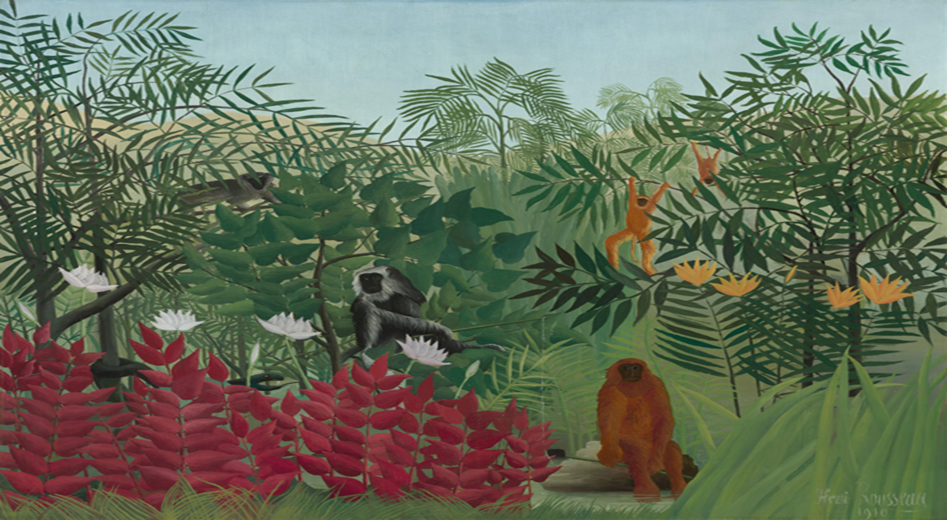
Henri Rousseau, who inspired the workshop, is a powerful artistic example for children. His works are filled with tropical forests, wild animals, and dreamlike atmospheres. What makes this particularly striking is that he never actually saw these forests. All these scenes emerged through observation, imagination, and internal design. This detail conveys an important message to children: creativity does not require ready-made templates; the real power lies in the worlds we create in our minds.
Rousseau’s naïve art style aligns perfectly with children’s natural creativity. Not strictly bound by perspective rules, characterized by free use of color and bold details, this style shows children that art is a limitless space for expression.
This approach helps develop children’s original thinking skills while encouraging them to move beyond the standardized content they frequently encounter on digital platforms.
Reflections from the Workshop: A New Door Opens in Children’s Worlds
Throughout the workshop, children shared their interpretations and then transferred their imagination onto paper, demonstrating once again how powerful creative learning can be.
It was particularly striking that children of the Alpha generation—accustomed to digital stimuli—were able to focus entirely on artistic production for an hour with the guidance of older mentors. This process was not just an art activity but also an experience of patience, attention, and inner discovery.
The forest compositions shaped with pastel colors were not merely artworks; each became a unique narrative reflecting the child’s inner world. Some designed fantastical landscapes filled with colorful animals, while others created calm and peaceful forest atmospheres.
Each piece turned into a strong example of individual perspective, free thinking, and creative courage.
The Role of Art in Balancing Technology Use
Reducing technology dependency is not possible solely by limiting screen time. Children need meaningful, enjoyable, and developmental alternatives.
Art is a powerful tool because it:
- Increases focus
- Builds patience
- Provides a space for emotional expression
- Supports self-confidence
- Enhances creativity
These skills play a critical role in balancing children’s fast-consumption habits in the digital world.
The core approach of SETAP workshops is not to completely remove technology from children’s lives, but to help them develop conscious technology use. In today’s world, the real need is to establish a healthy balance. Therefore, the project aims to enrich children’s lives with alternative experiences based on art, nature, and social interaction, so that technology is no longer their sole source of entertainment and learning.
The “We Are in the Forest with Rousseau” workshop became a strong example of this approach. As children moved away from screens and engaged in artistic creation, they also experienced nature, imagination, and free thinking.
Investing in the Future: Creative and Balanced Generations
These workshops are not only addressing today’s needs but also investing in future life skills. Raising generations who can maintain a balanced relationship with technology, preserve their imagination, enjoy creating, and think creatively is the foundation of a sustainable society.
The “We Are in the Forest with Rousseau” workshop stands as a concrete and inspiring example of this goal. Because sometimes, an imaginary forest drawn with pastel colors can help a child rediscover the world beyond the screen.