
We Can’t Put Our Phones Down — But There Is a Cost
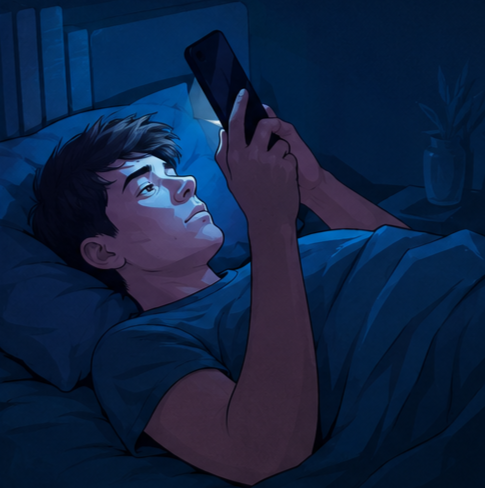
Many of us check our phones before sleep “just for 5 minutes.” Browsing social media, watching videos, or replying to messages has become part of our nightly routine. However, that short time often turns into hours.
Scientific studies show that nighttime screen use can significantly affect sleep patterns. Especially in the evening, the blue light emitted from phones and continuous content consumption can disrupt the brain’s natural resting process.
Why Do Phones Affect Our Sleep?
The blue light emitted from phone screens suppresses the production of melatonin in the brain. Melatonin is one of the most important hormones that helps the body prepare for sleep.
What Does the Harvard Study Say?
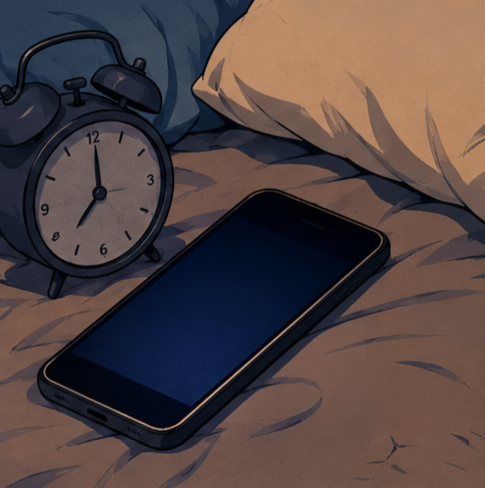
According to research from Harvard Medical School, blue light suppresses melatonin production more strongly than other types of light and delays the body’s internal clock.
Studies show that heavy screen exposure at night:
- Makes it harder to fall asleep
- Reduces total sleep duration
- Increases morning fatigue
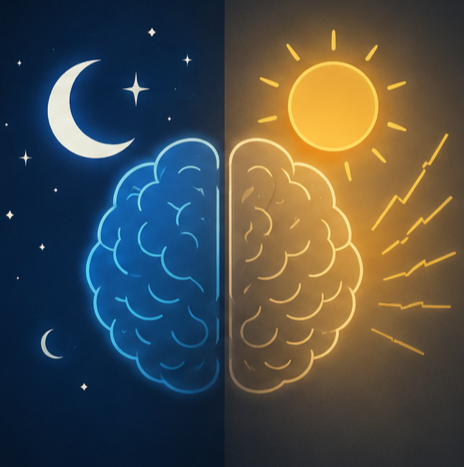
In other words, while using a phone, the brain can receive signals that it is still “daytime.”
Social Media Keeps the Brain Constantly Active
The problem is not only screen light. The content we consume also keeps the brain highly stimulated.
In particular:
- TikTok videos
- Instagram Reels
- Fast-paced content feeds
- Games
- Night-time notifications
can continuously trigger the dopamine system. As the brain keeps expecting new content, it becomes harder to relax and wind down.
What Do Studies Show?
According to data from the National Sleep Foundation, individuals who use their phones before sleeping experience:
- Falling asleep later
- Lower sleep quality
- Lack of attention during the day
- Higher levels of fatigue
Especially among teenagers and students, increased nighttime screen time is linked to growing concentration problems.
Scientifically Supported Effects of Nighttime Phone Use
1. Sleep Duration Decreases
Research shows that people who go to bed with their phones tend to fall asleep later and get less total sleep.
The “just one more video” mindset keeps delaying the brain’s sleep time.
2. Deep Sleep Quality Is Reduced
Even if you fall asleep, you may not rest properly.
Experts suggest that REM and deep sleep stages can be negatively affected by screen use, leading to waking up tired.
3. Attention and Memory Issues May Increase
Lack of sleep directly affects the brain’s ability to learn.
Especially in students, this can lead to:
- Reduced attention span
- Difficulty focusing
- Learning difficulties
- Lower daytime performance
4. Stress and Anxiety Levels May Rise
Spending long hours on social media at night can increase anxiety in some individuals.
Constant information flow and comparison culture can cause mental fatigue. Heavy content consumption late at night makes it harder for the brain to relax and recover.
World Health Organization and Expert Recommendations
The World Health Organization and sleep experts recommend reducing screen time before going to bed.
Many specialists suggest:
- Avoiding screens at least 30–60 minutes before sleep
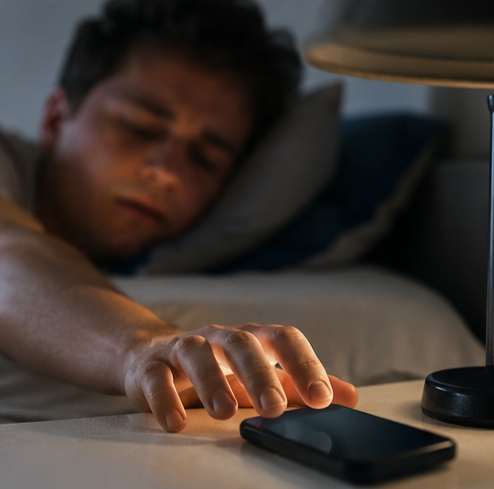
- Keeping the phone away from the bed
- Using night mode settings
- Turning off notifications
Simple Steps for Better Sleep Quality
Small but Effective Habits You Can Apply
- Try reading a book before sleep
- Put your phone on silent mode
- Avoid using social media in bed
- Turn on blue light filters
- Create a 30-minute phone-free routine
- Reduce short-form video consumption at night
Conclusion
Even though phones are an essential part of daily life, nighttime usage habits can directly affect sleep health. Scientific research clearly shows that blue light and constant digital stimulation make it harder for the brain to rest properly.
Maybe the first step toward better sleep is simply putting the phone down a little earlier at night 🌙📱